
Lot Clearing
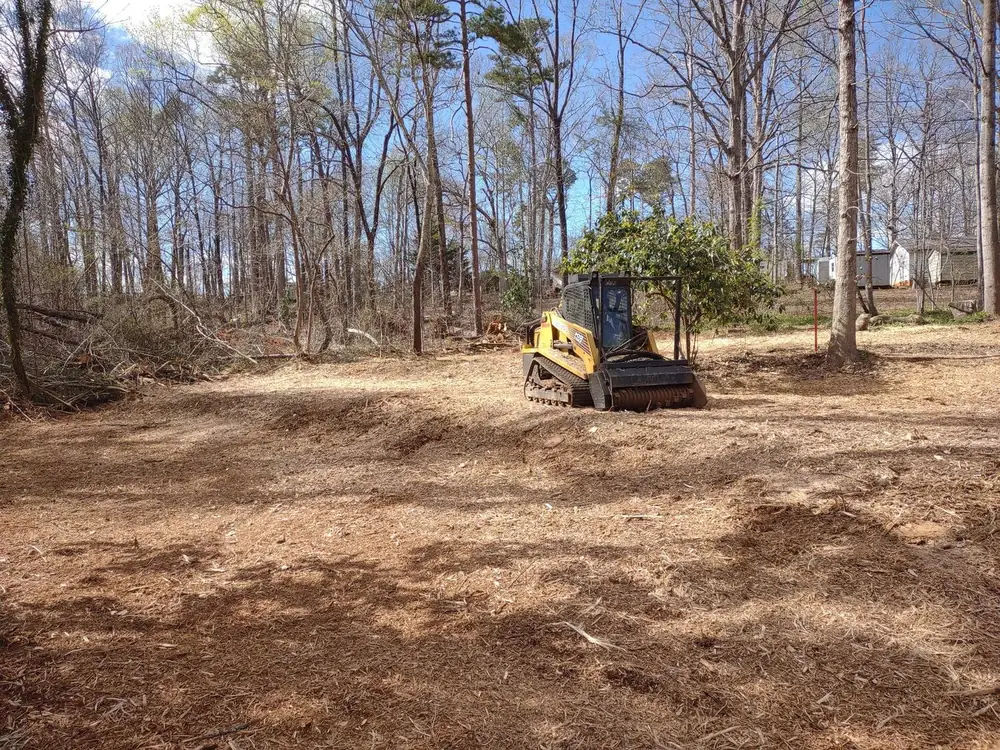
We clear building lots and overgrown lots of brush and small trees. A skid steer with a forestry mulching head turns the growth into mulch that stays on the ground.
Learn More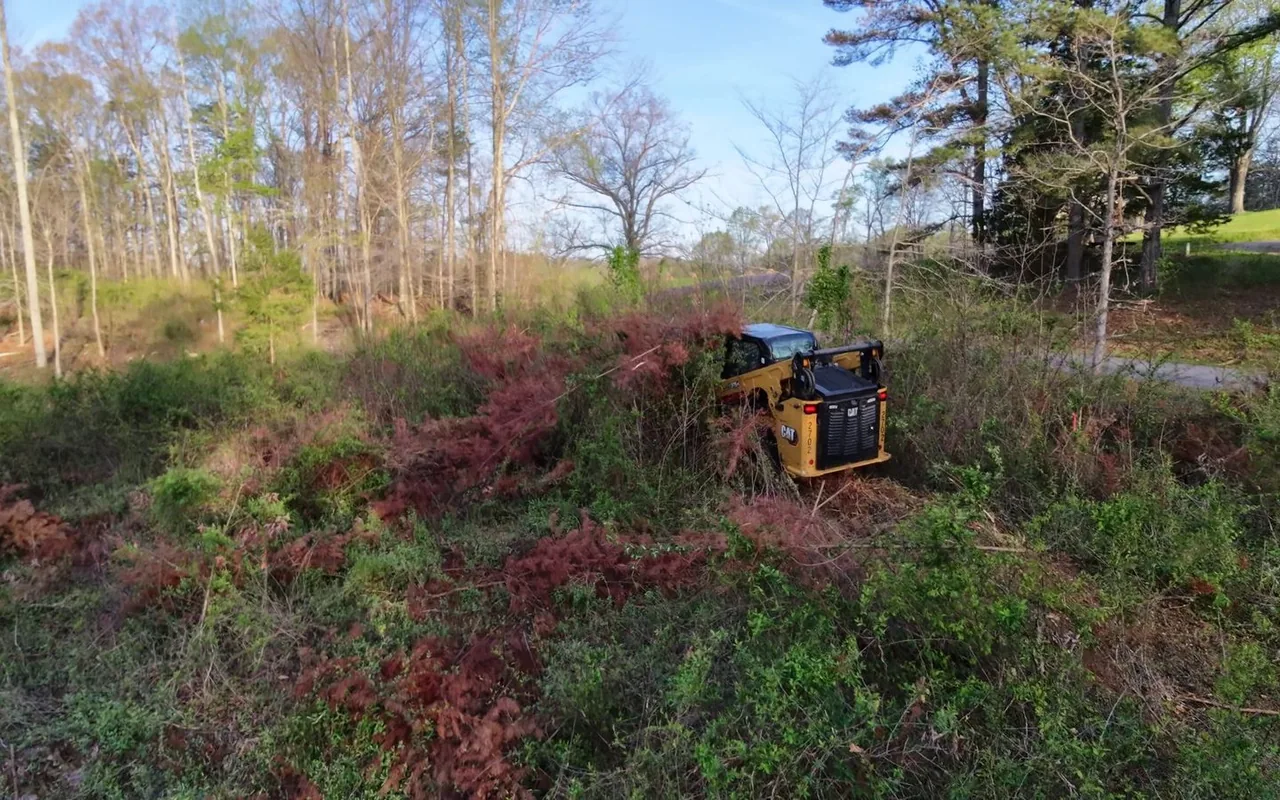
Brush clearing opens up land that mesquite and cedar, the local name for juniper, have taken over. A pasture left alone can fill in until you lose sight of the fence. We clear it with a skid steer carrying a forestry mulching head. The mulcher grinds brush and small trees where they stand, and the mulch stays on the ground.
We clear brush across Hill County and the I-35 corridor, with Hillsboro at the center of our service area. The work happens on acreage, ranch and farm land, creek edges and home sites. Brush clearing is one part of our land clearing around Hillsboro. We look at the job first and put the quote in writing.
Tell us what needs clearing and where it is. We look at the job and put the quote in writing.
Most of Hill County sits on Blackland Prairie clay. West of Hillsboro, a band of Cross Timbers country runs down to Whitney. The hills along Lake Whitney are limestone. On these soils, the NRCS names cedar, mesquite, elm, hackberry and honey locust as brush that invades pasture.
Cedar and mesquite now dominate some shallow, rocky slopes, the NRCS says. Birds and other animals spread cedar seed, and livestock and wildlife spread mesquite seed. Our guide explains why cedar and mesquite take over Central Texas pasture.
Thick brush costs a place its grass. Extension research says dense cedar cuts forage and gets in the way of handling livestock. Brush clearing mulches that growth down so the ground can be seen and mowed again. In thick stands, the state forest service describes two passes: one with the head raised, then one lower.
It depends on the plant. Extension research says Ashe juniper does not sprout from its base once the top is cut. Cut low, an Ashe juniper dies, and new ones come only from seed.
Mesquite is different. It sprouts again from buds on its root crown, at and below ground level. Extension research says stopping regrowth means cutting the taproot below the bud zone, 6 to 14 inches down. The mulcher works at the surface, so mesquite sprouts call for a follow-up pass.
Extension research on cedar says follow-up is always needed within a few years of mechanical clearing. The extension service says the same of mesquite: controlling it is not a one-time job. Sprouts and seedlings are easiest to handle while small. A light second pass with the mulcher keeps them down.
On a home site, the goal is often to clear the undergrowth and keep the shade trees. Underbrush clearing takes out the saplings and vines under the canopy and opens up the view. Show us the trees that stay when we look at the job.
Oaks need care during the work. The state forest service says a fresh wound on an oak can let oak wilt in. Its list of wound sources includes land and cedar clearing. The agency advises against wounding oaks from February through June.
Creek banks and pond edges often grow up in brush and vines. We mulch the growth back from the edge so the water can be seen again. The state forest service says mulch left on site cuts erosion and helps the soil hold moisture.
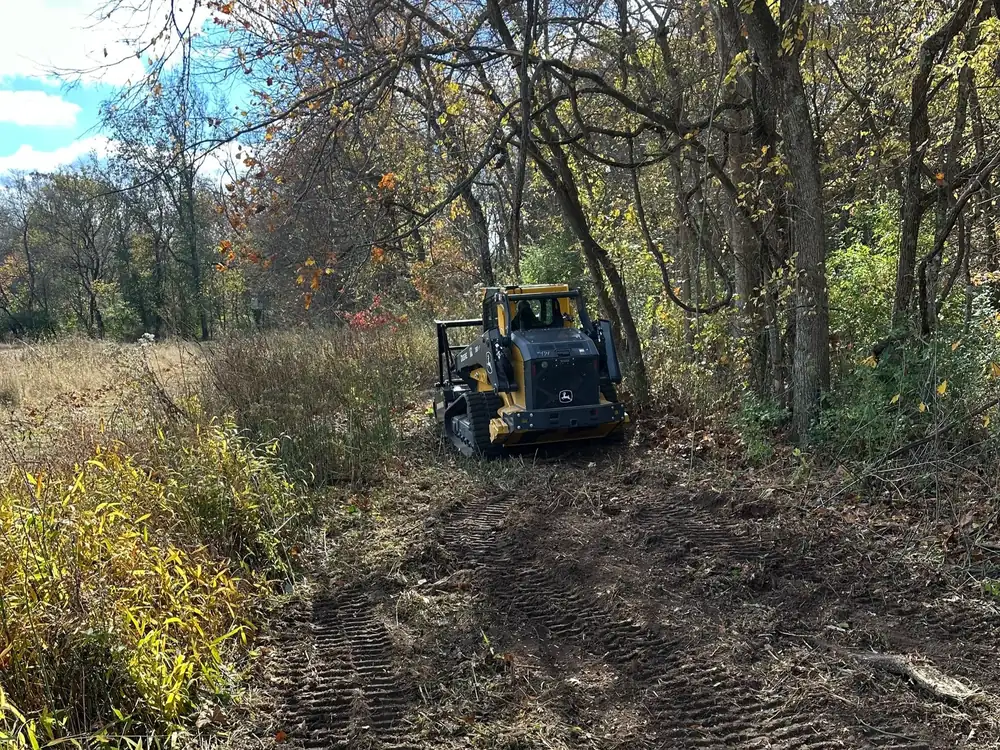
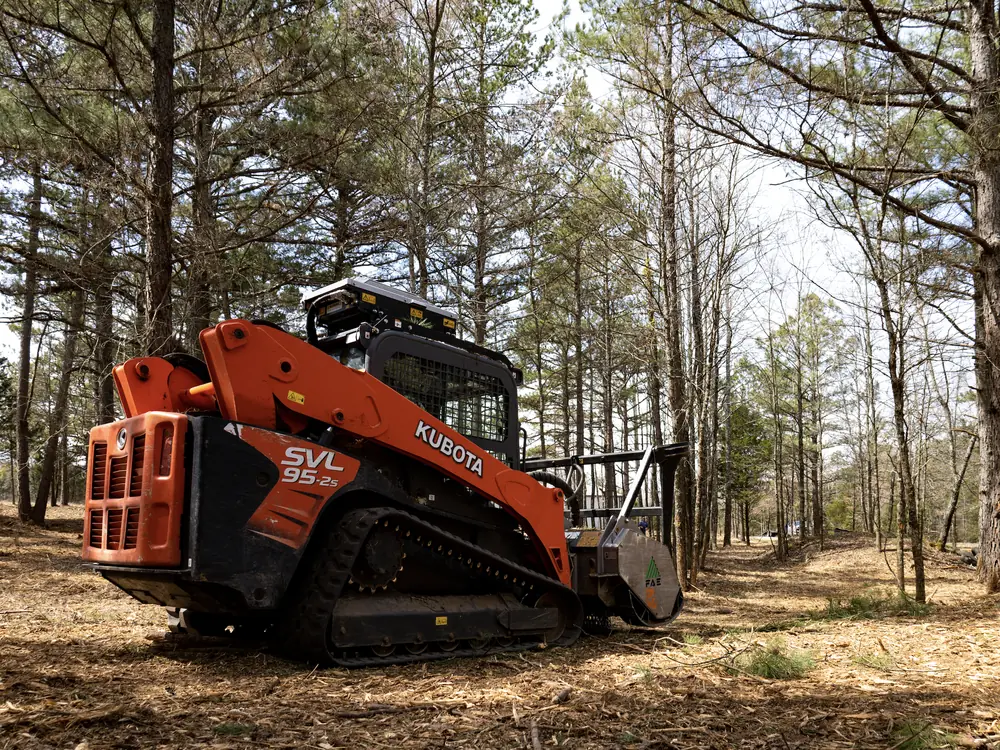
Call or text for a written quote. We work about 50 miles around Hillsboro across Hill, McLennan, Ellis, Johnson, Navarro, Bosque and Limestone Counties.
(817) 937-1506From the first call or text to the finished work, here is how it goes.
Call or text (817) 937-1506, or send the form. Tell us where the land is and what has grown up on it.
We come out to see the job in person. The brush, the tree sizes, the ground and the way in all shape the plan.
The quote comes in writing and spells out the work. You decide with it in hand.
We set a start date with you and bring in the mulcher. Brush and small trees go down and turn to mulch right there.
The land is open, and the mulch lies where it fell. If the job includes stump grinding, the stumps get ground down to grade or just below it.
Common questions about brush clearing around Hillsboro and the surrounding counties. If yours is not here, call or text and ask.
We clear building lots and overgrown lots of brush and small trees. A skid steer with a forestry mulching head turns the growth into mulch that stays on the ground.
Learn More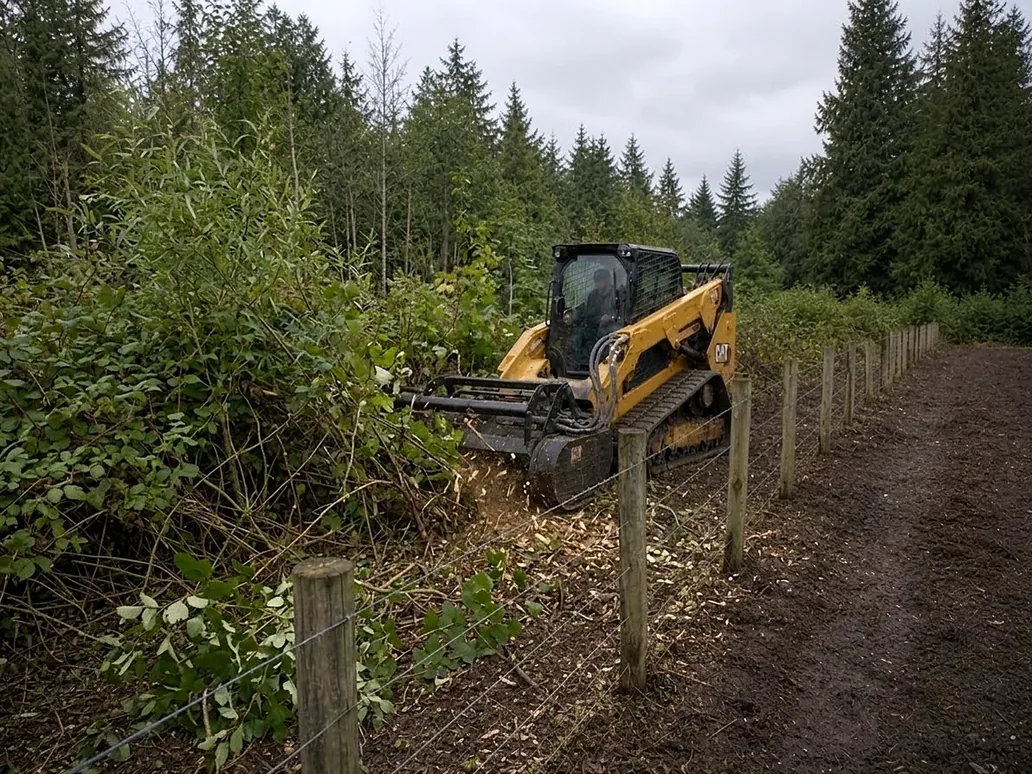
We mulch the cedar and brush that grow up along fence lines and property lines. You get an open strip along the wire, ready for repairs or a new fence.
Learn More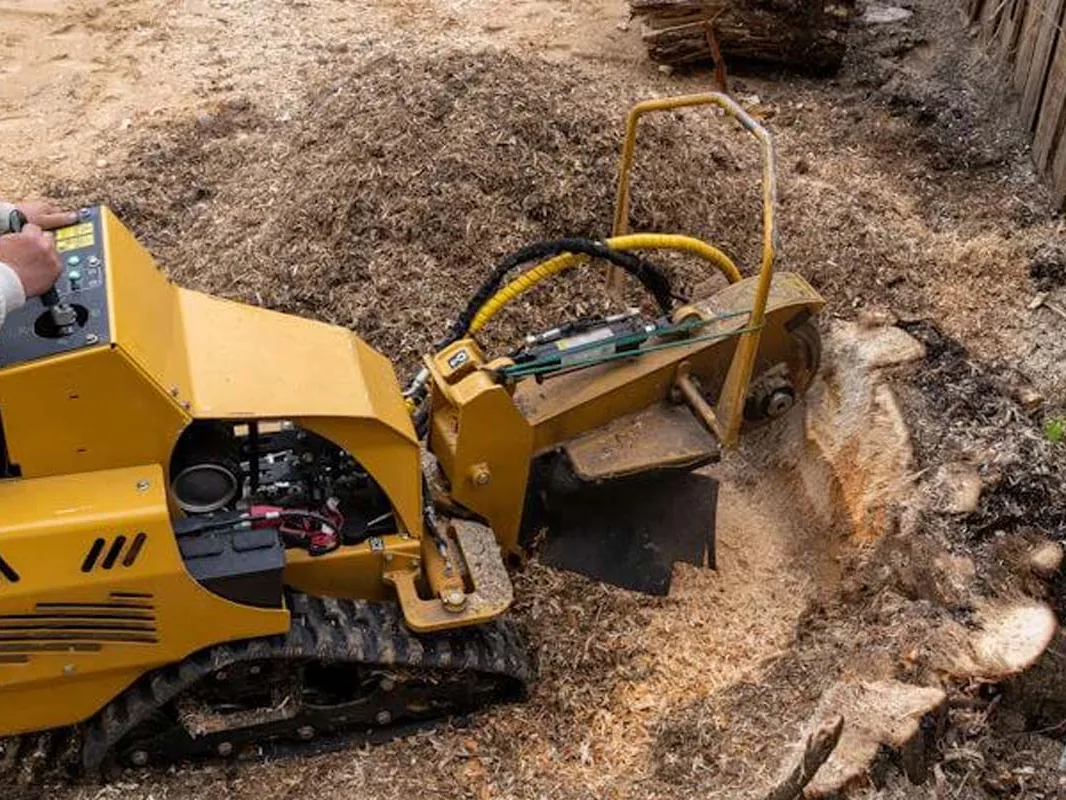
We grind stumps to grade or just below it, so you can mow over the spot or build on it. The grindings stay on site for you to use.
Learn MoreThe brush turns to mulch on the spot, so the clearing and the cleanup happen together. What is left is open ground under a layer of mulch.
We look at the job before we price it, then put the quote in writing. You see what the work covers before you decide.
We clear the brush and small trees, and we can grind the stumps left behind. One company takes the land from overgrown to open ground.
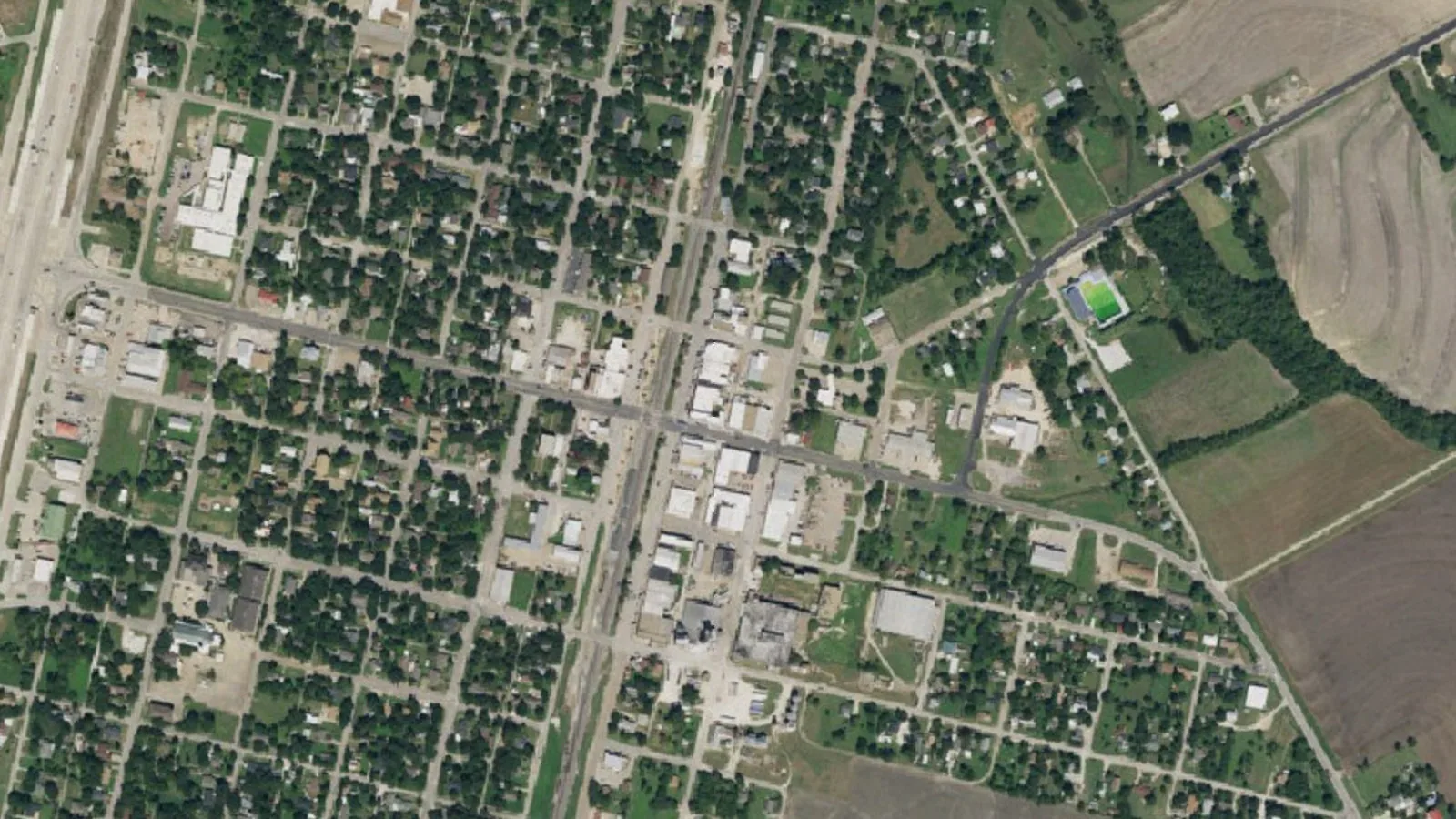
Our service area follows the roads that meet at Hillsboro. I-35 runs north and south through it, and TX-22 runs west to Whitney and east to Corsicana.
Cedar dies when cut low, but mesquite sprouts back. Why both take over Central Texas pasture, how to clear each one and how to keep cleared land open.
Read more →
What forestry mulching costs per acre in Texas, from national cost guides and the state's custom rates survey. See what moves the price of an acre.
Read more →Tell us the town and what has grown up on the land, and we will look at the job. You can also call or text (817) 937-1506.
Tell us what needs clearing and where it is. We look at the job and put the quote in writing.