
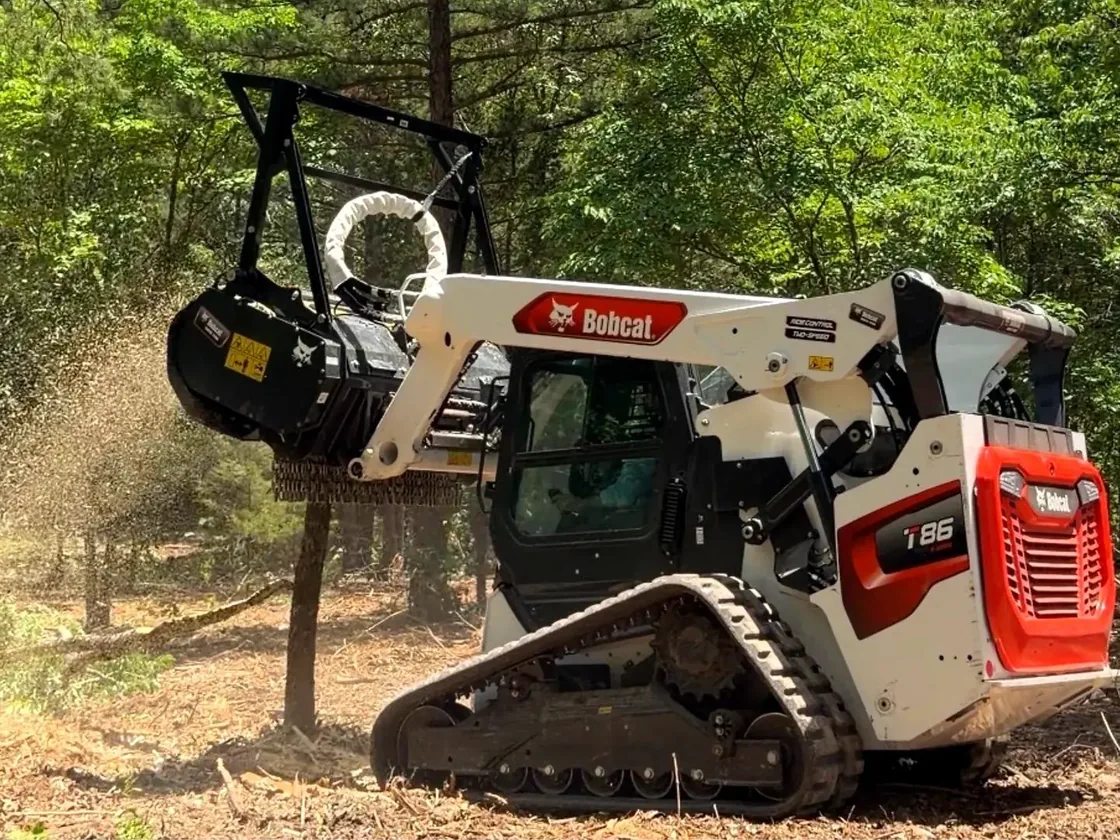
Forestry Mulching
We grind brush and small trees into mulch where they stand. A skid steer with a forestry mulching head does the work, and the mulch stays on the ground.
Learn More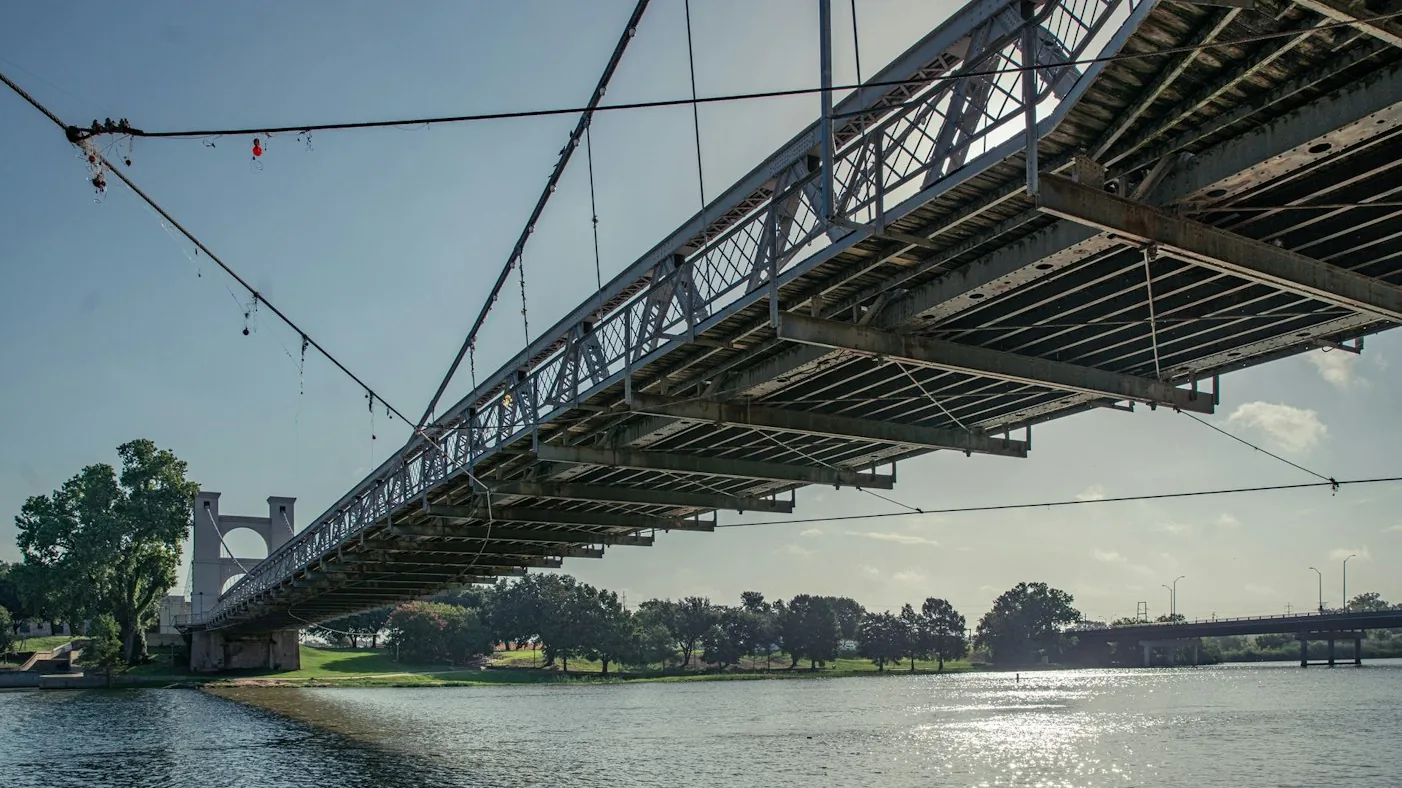
The City of Waco counts grass or weeds over 12 inches as out of compliance. Its notice gives 7 days to fix the problem. On an empty lot gone to brush and small trees, a mower cannot keep up. Out on the edges of town, old pasture fills in with mesquite and juniper.
Clear Choice offers land clearing around Hillsboro and the towns along I-35, and Waco is part of our service area. Our land clearing in Waco covers overgrown lots in town and brush on the acreage around the edges. A skid steer with a forestry mulching head turns brush and small trees into mulch that stays on the ground. Call or text (817) 937-1506, and we will look at the job and put the quote in writing.
Tell us what needs clearing and where it is. We look at the job and put the quote in writing.
Inside the city limits, the federal soil survey lists Branyon clay and Fairlie clay among the most common soils. Both are deep clays that take in water very slowly once wet. In dry spells they crack open, and Branyon's cracks run 1 to 3 inches wide. The survey says the cracks stay open 90 to 150 days in most years.
Some ground is shallow and rocky. There, Eddy and Stephen soils sit only 3 to 20 inches above chalk. The survey says juniper, which locals call cedar, is common in many places on Eddy soils. On Branyon clay, it lists mesquite as an invader in most areas.
Along the creeks and the Brazos River, the survey lists pecan and elm among the bottomland trees. Brush clearing with the mulcher takes out the undergrowth and saplings along those edges. Shallow chalk and wet clay both change how the work goes, so we look at the ground before we quote.
Much of Waco's housing is older. Census figures put the median year built at 1979, and about half of homes date from before 1980. More of today's homes were built in the 1950s than in any other decade, about 1 in 6. About 59 percent of homes are detached single-family houses.
On an older lot, the job may be a back corner or a fence row gone to brush and saplings. Clearing an overgrown lot mulches that growth in place and opens the ground back up. The mulch stays on the lot as a ground cover.
Waco is growing, too. The Census counted 138,486 people in Waco in 2020, and its July 2025 estimate is 147,788. The city reported 561 single-family home permits to the Census in 2025, up from 489 in 2024. A building lot in brush gets cleared first, and the builder's dirt work follows.
Waco's stormwater design criteria regulate construction by the acres disturbed, and clearing counts as disturbance. On a construction site under 1 acre, the city asks for an erosion control plan. From 1 to 5 acres, it asks for a stormwater pollution prevention plan and a state site notice. Over 5 acres, a notice of intent also goes to the Texas Commission on Environmental Quality.
The city answers whether a given clearing job falls under those rules. Inspection Services, part of Development Services, issues building permits and takes the watershed paperwork. Its permit page says a fence needs no permit, though it still has to meet the city's height rules. Our fence line clearing opens the fence row so the new fence can go in.
Land just outside the city limits may sit in Waco's extraterritorial jurisdiction, or ETJ. State law lets a city carry its subdivision rules into the ETJ. Before work starts, ask which side of the city line your land is on.
Lake Waco sits on the Bosque River, which flows into the Brazos. The Army Corps of Engineers runs the lake for water supply and flood control. Near the shore, the city's drainage manual puts streets and buildings above the 505-foot elevation. Construction inside the Corps flowage easement needs approval from the Corps Waco Lake Office first.
FEMA maps flood zones along the Bosque and the Brazos and along creeks like Waco Creek and Cottonwood Creek. The city's drainage policy aims to leave watercourses and streams in their natural state. Ask the city's Watershed Protection staff before any work along a creek bank.
NOAA's 1991 to 2020 normals for Waco Regional Airport show 36.4 inches of rain a year. May and October are the wettest months, with about 4.4 inches each. July is the driest month, and August highs average 97 degrees. Wet clay turns soft and sticky, and dry clay bakes hard.
Communities and areas we serve around Waco: Sanger Heights, Dean Highland, Brook Oaks, Richland Hills, Parkdale Viking Hills, Mountainview, Timbercrest, Cedar Ridge, Landon Branch, Highway 84 West, North Lake Waco, China Spring.
Waco ZIP codes served: 76701, 76704, 76705, 76706, 76707, 76708, 76710, 76711, 76712.
Waco is part of our service area. We look at the land first, then put the quote in writing.
(817) 937-1506 We grind brush and small trees into mulch where they stand. A skid steer with a forestry mulching head does the work, and the mulch stays on the ground.
Learn More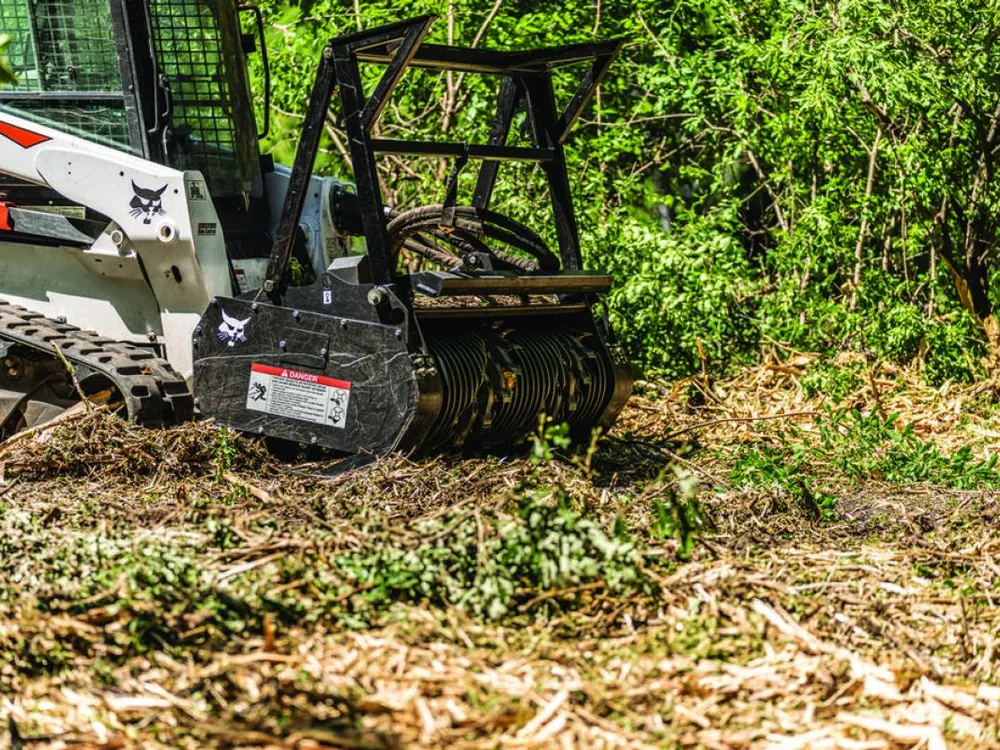
We clear cedar, mesquite, vines and saplings off pasture, acreage, creek edges and home sites. The mulcher grinds the brush in place, and the mulch stays on the ground.
Learn More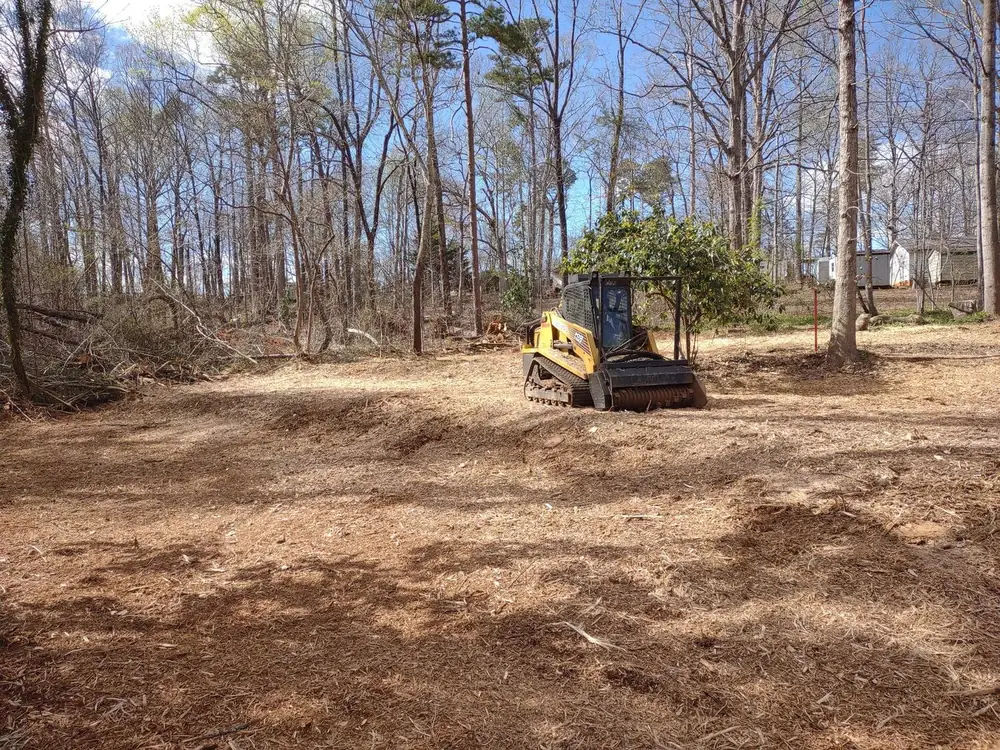
We clear building lots and overgrown lots of brush and small trees. A skid steer with a forestry mulching head turns the growth into mulch that stays on the ground.
Learn More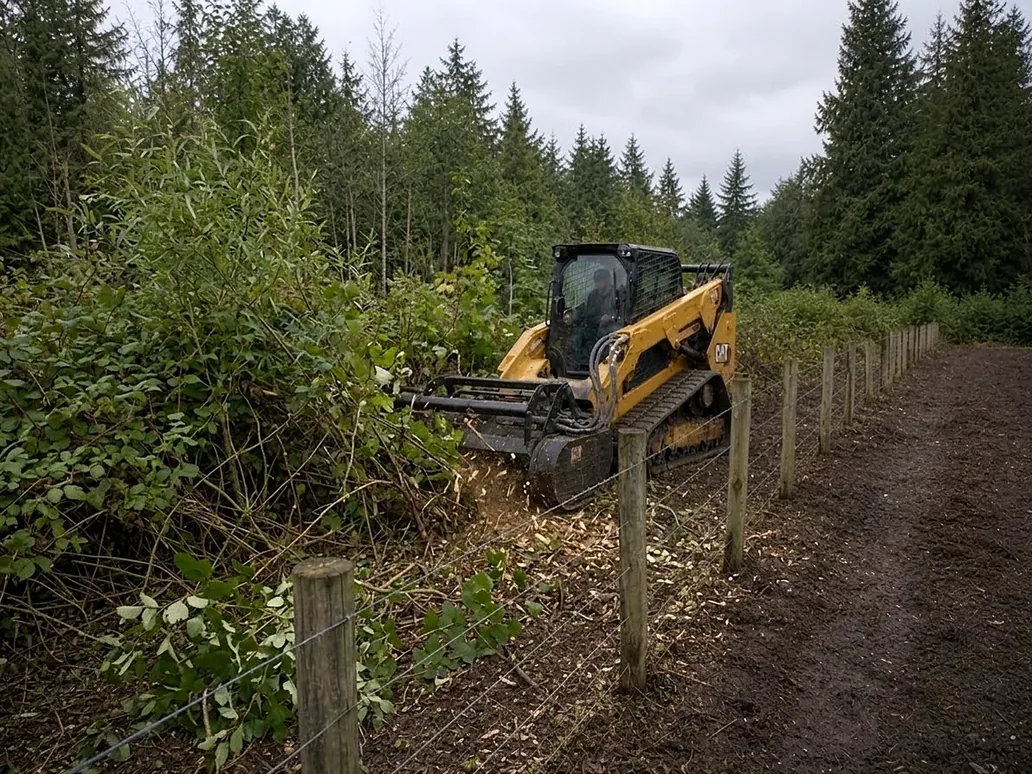
We mulch the cedar and brush that grow up along fence lines and property lines. You get an open strip along the wire, ready for repairs or a new fence.
Learn More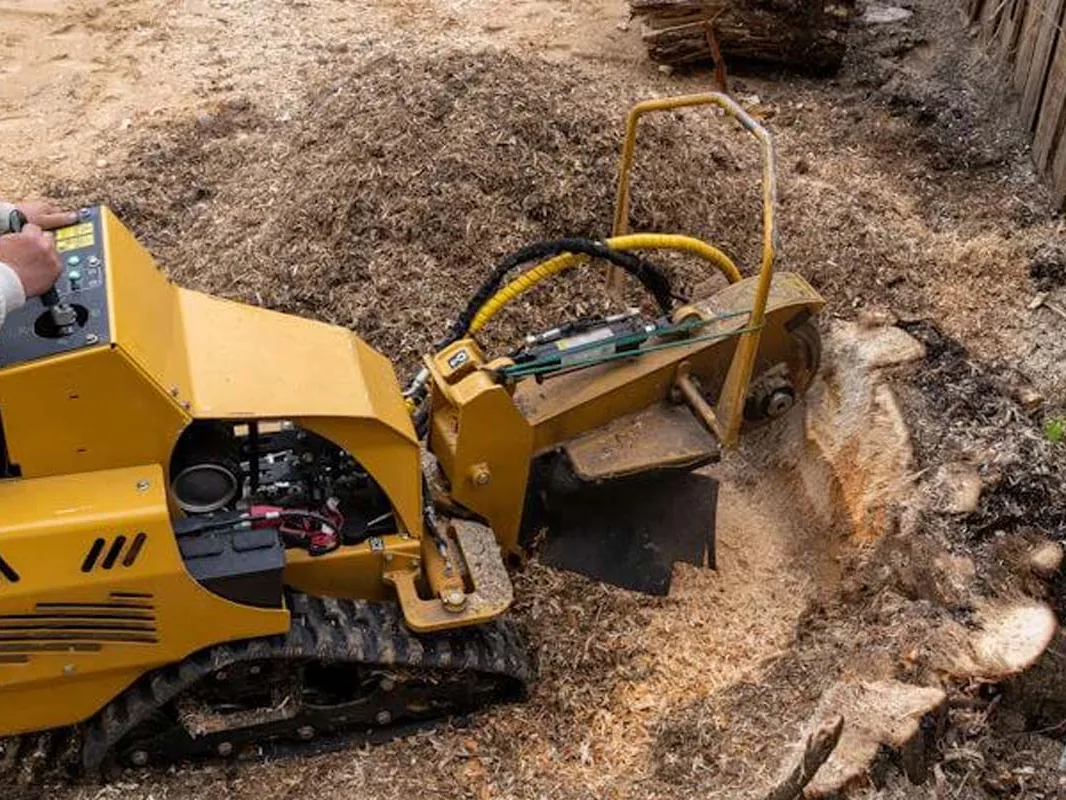
We grind stumps to grade or just below it, so you can mow over the spot or build on it. The grindings stay on site for you to use.
Learn MoreA few of the questions we hear most around Waco. If yours is not here, call or text and ask.
Tell us the town and what has grown up on the land, and we will look at the job. You can also call or text (817) 937-1506.
Tell us what needs clearing and where it is. We look at the job and put the quote in writing.