
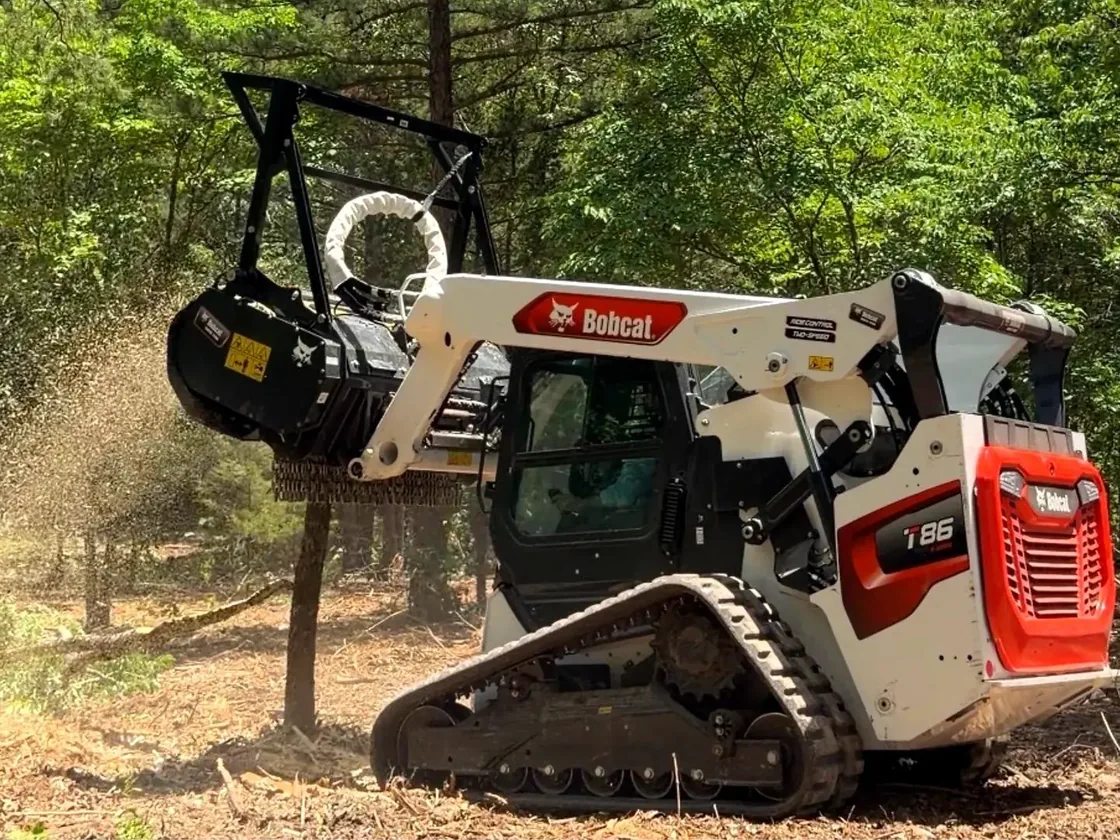
Forestry Mulching
We grind brush and small trees into mulch where they stand. A skid steer with a forestry mulching head does the work, and the mulch stays on the ground.
Learn More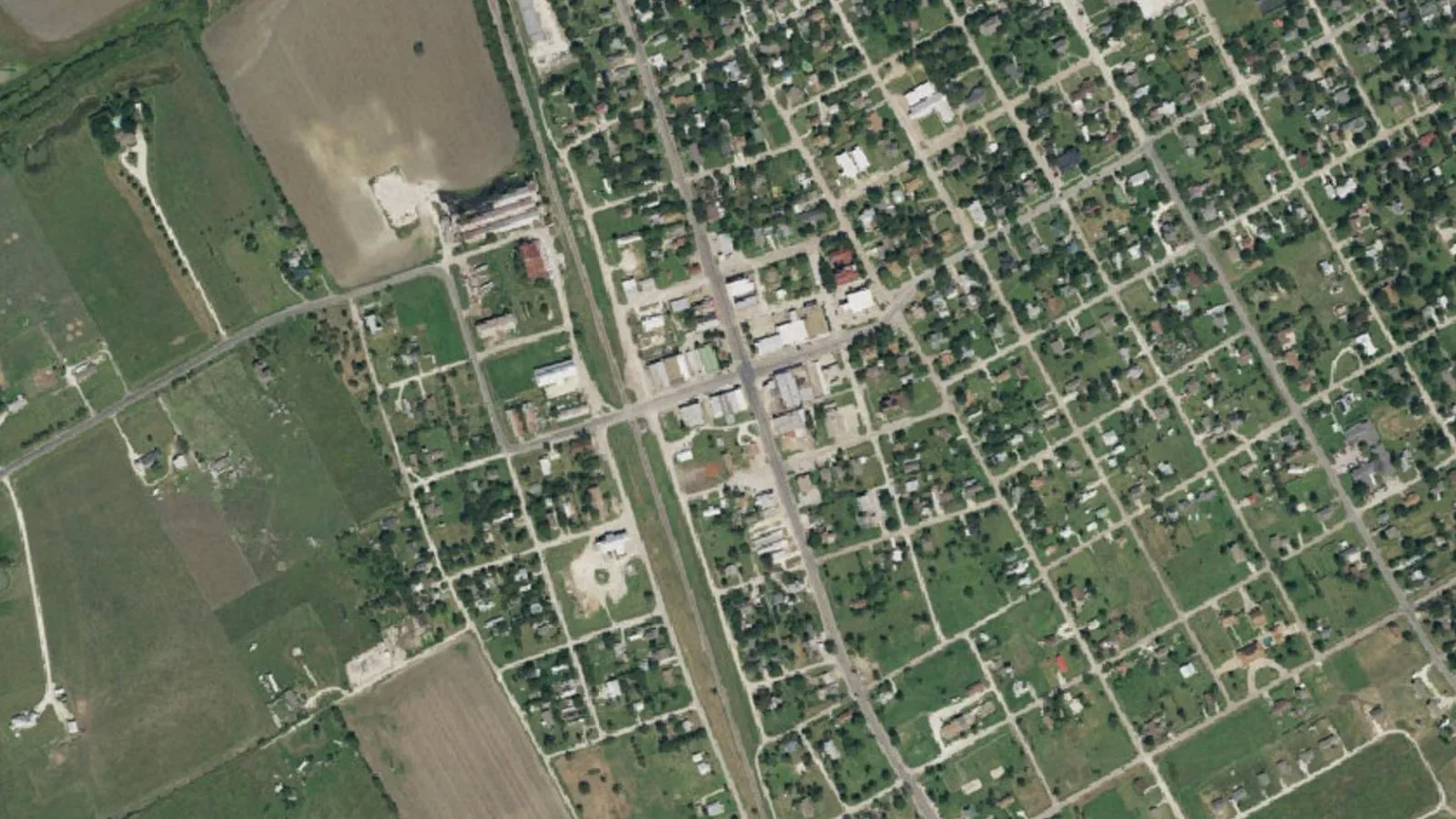
Itasca sits near the edge of the Blackland Prairie in northern Hill County. The most common soil around town is a deep black clay, per the NRCS soil survey. Mesquite and hackberry come up in the grass here, and left alone they crowd pastures and fence rows. Inside the city limits, the code counts brush along with weeds, and the limit is 12 inches.
Clear Choice serves Itasca as part of our service area, about 13 miles north of Hillsboro on I-35W. We clear brush and small trees with a skid steer and a forestry mulching head. The mulch stays on the ground as a cover, and the roots stay in the soil. Call or text (817) 937-1506, and we look at the job and put the quote in writing.
Tell us what needs clearing and where it is. We look at the job and put the quote in writing.
In a dry spell, the black clay opens in cracks up to 4 inches wide. The NRCS says the cracks stay open a total of 90 to 150 days in most years. Once the clay is wet, water soaks in very slowly.
Other clays sit on the slopes, and the creek bottoms carry a clay the survey calls frequently flooded. Coleman Creek passes about a mile southeast of the center of town. Itasca Creek and Cottonwood Creek run through the country north of town. Richland Creek starts near town, on the divide between the Brazos and Trinity basins.
The same survey rates these clays severe for rutting under equipment. It names low strength as the reason, and its equipment rating flags the clay as sticky. We look at the ground with you before we set a day for the mulcher.
On the upland clay, the NRCS soil notes describe native grass with scattered elm, mesquite and hackberry. On the sloping clays, the notes add that poor grazing lets woody plants gain ground. Along the creek bottoms, they list elm, hackberry, oak and ash.
Our brush clearing work mulches brush and small trees in place on a pasture or a creek edge. When Hill County prohibits outdoor burning, burn piles sit and wait. Mulching turns brush into ground cover as the machine works.
The big oaks and ash along a creek are work for a tree service. We mulch the undergrowth around them. Once the brush is mulched, a grown-up pasture corner can be seen and mowed again.
Itasca began as a railroad town in 1881, and a cotton mill opened here in 1901. In Census estimates, the median home in town was built in 1972. More than one home in eight was built before 1940. About eight in ten are detached single-family houses.
Section 12-9.2 of the city code sets a 12-inch limit on uncultivated grass and brush. The rule covers vacant lots too, out to the curb or the edge of the pavement. Questions about a notice go to the city's code enforcement office.
With lot clearing, we mulch brush and small trees on a town lot or a building lot. The mulch stays on the ground. Grading and dirt work for a new house come next, from the builder or an excavation contractor.
The 2020 Census counted 1,562 people in the city and 3,076 across the 76055 ZIP area. That puts about half the ZIP's people out in the country beyond the city limits. Across the whole ZIP, the median home was built in 1991, per Census estimates.
FM 66 runs northeast from town through Files Valley toward Maypearl. FM 67 links town with Covington and Blum to the west.
Out in the county, a new home site gets its 911 address through a Hill County development permit. That form carries a floodplain check, and the same county office handles culvert permits. Before any digging, call 811 at least two business days ahead. Private water lines you ran yourself are yours to point out.
Communities and areas we serve around Itasca: Main Street, Mill Street, I-35W corridor, FM 66 toward Files Valley, FM 67 toward Covington, FM 934, FM 2719, Files Valley, Covington, Grandview, Itasca Creek, Coleman Creek.
Itasca ZIP codes served: 76055.
Itasca is part of our service area. We look at the land first, then put the quote in writing.
(817) 937-1506 We grind brush and small trees into mulch where they stand. A skid steer with a forestry mulching head does the work, and the mulch stays on the ground.
Learn More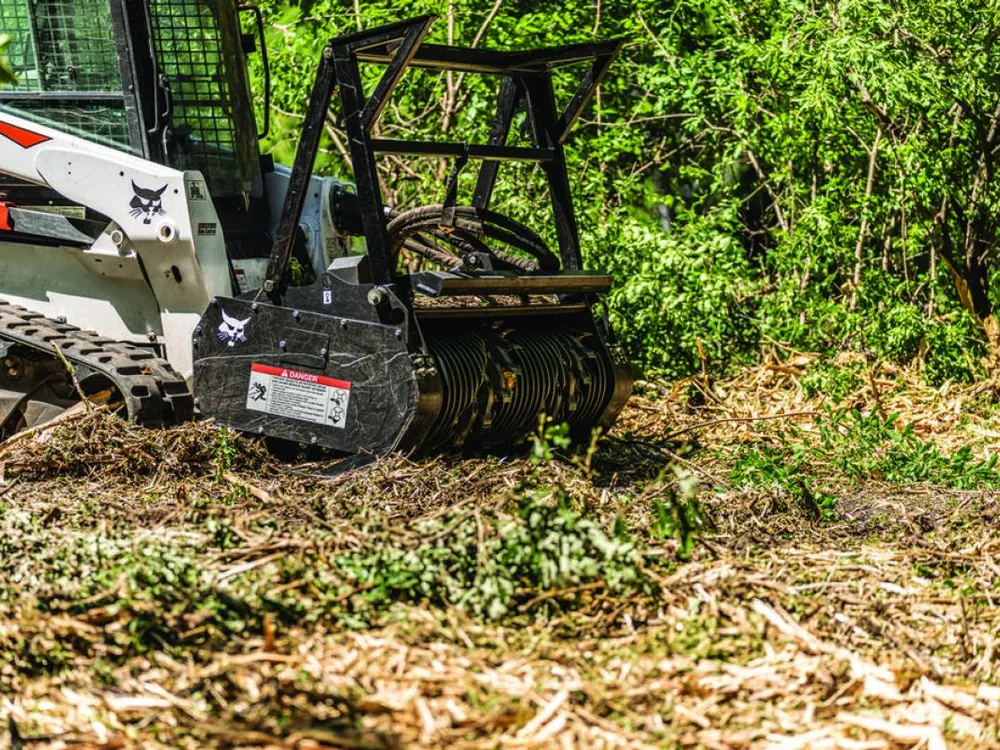
We clear cedar, mesquite, vines and saplings off pasture, acreage, creek edges and home sites. The mulcher grinds the brush in place, and the mulch stays on the ground.
Learn More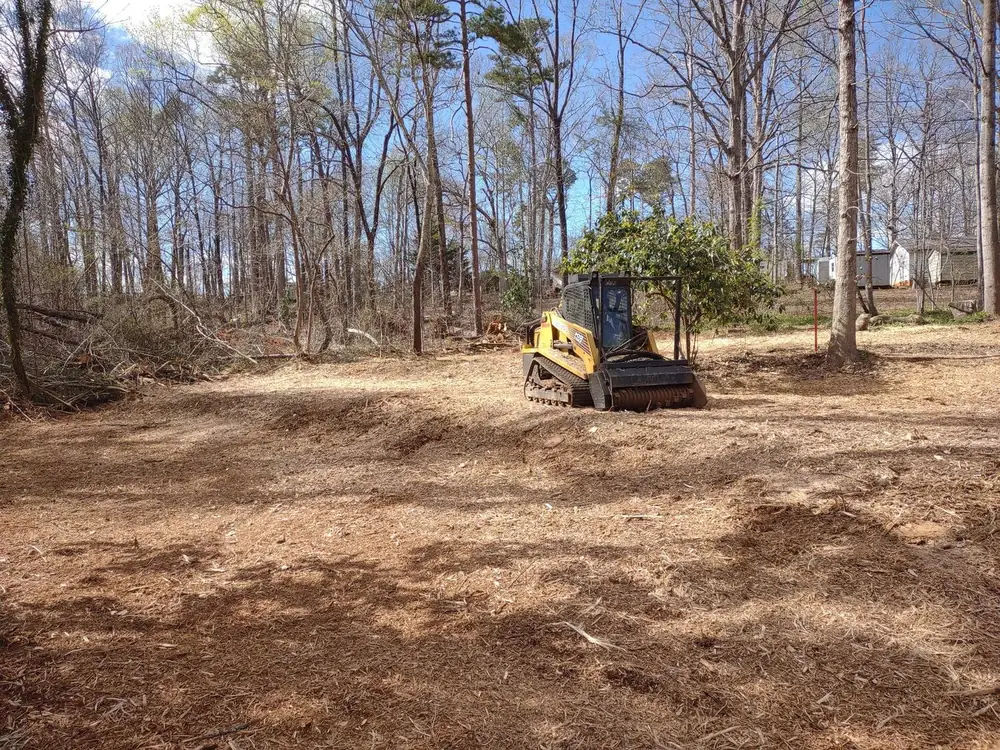
We clear building lots and overgrown lots of brush and small trees. A skid steer with a forestry mulching head turns the growth into mulch that stays on the ground.
Learn More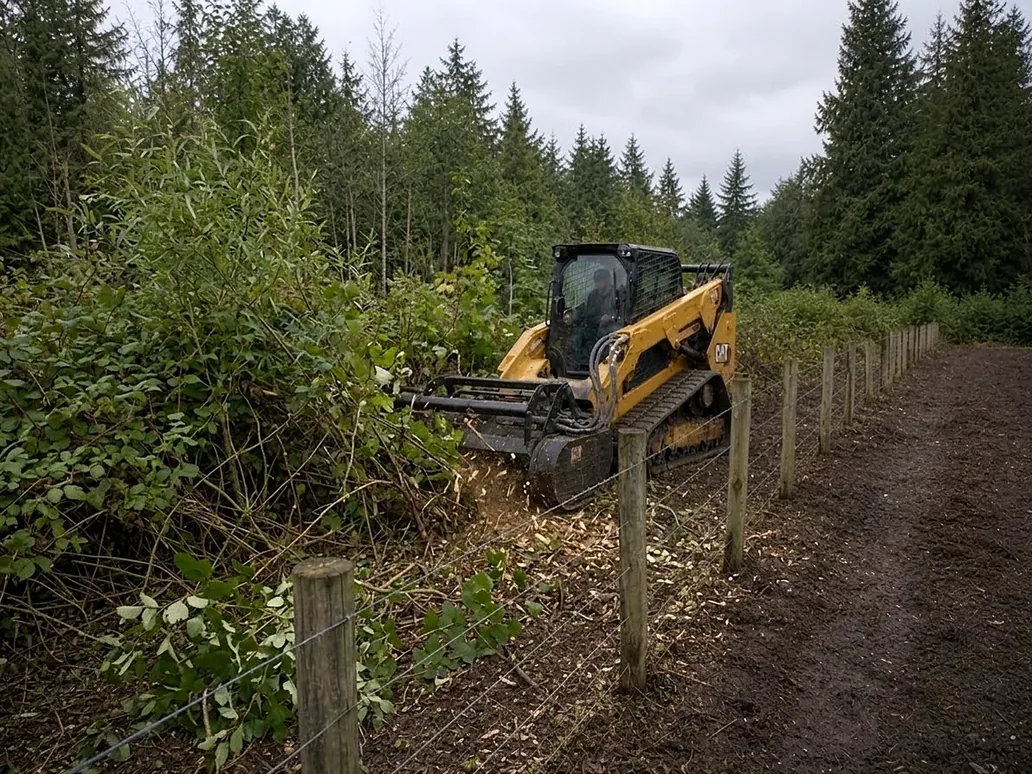
We mulch the cedar and brush that grow up along fence lines and property lines. You get an open strip along the wire, ready for repairs or a new fence.
Learn More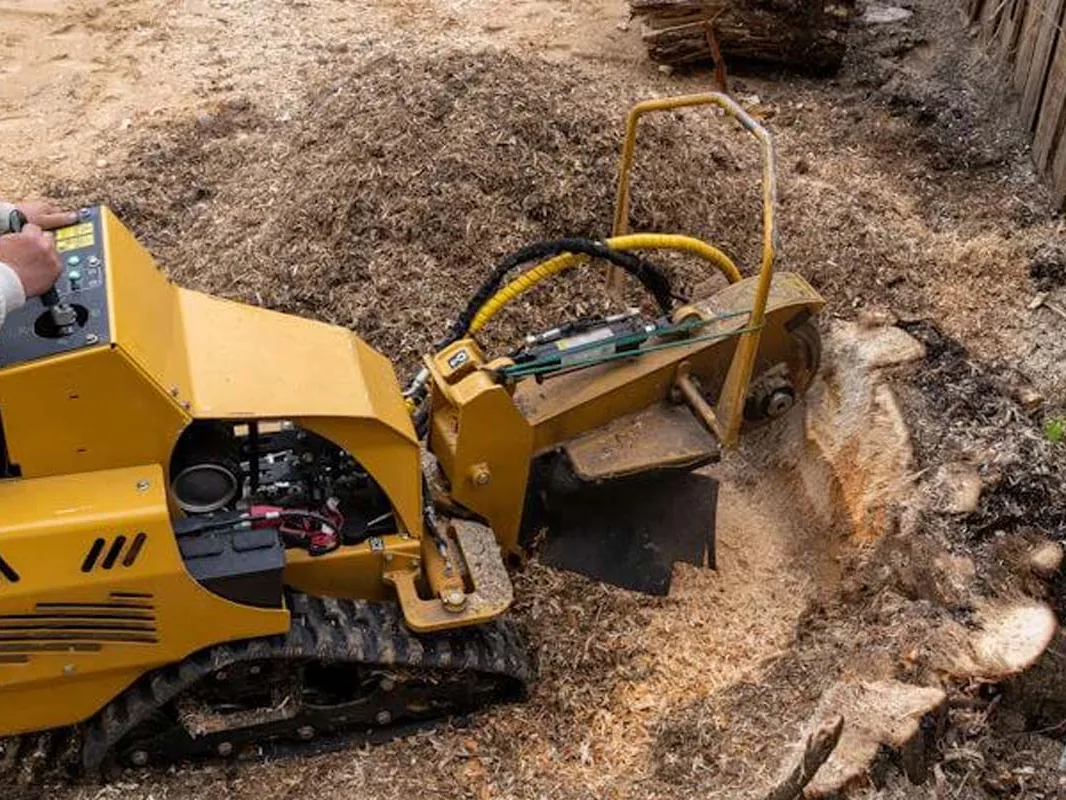
We grind stumps to grade or just below it, so you can mow over the spot or build on it. The grindings stay on site for you to use.
Learn MoreA few of the questions we hear most around Itasca. If yours is not here, call or text and ask.
Tell us the town and what has grown up on the land, and we will look at the job. You can also call or text (817) 937-1506.
Tell us what needs clearing and where it is. We look at the job and put the quote in writing.