
Forestry Mulching
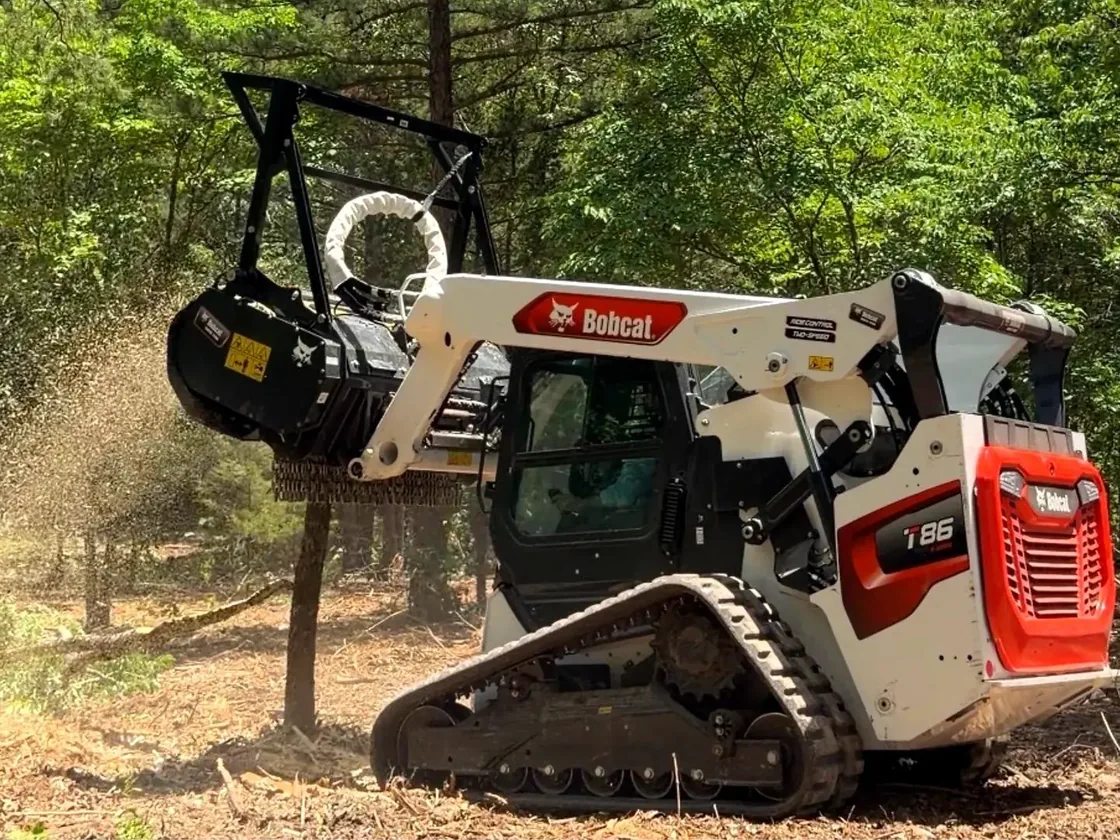
We grind brush and small trees into mulch where they stand. A skid steer with a forestry mulching head does the work, and the mulch stays on the ground.
Learn More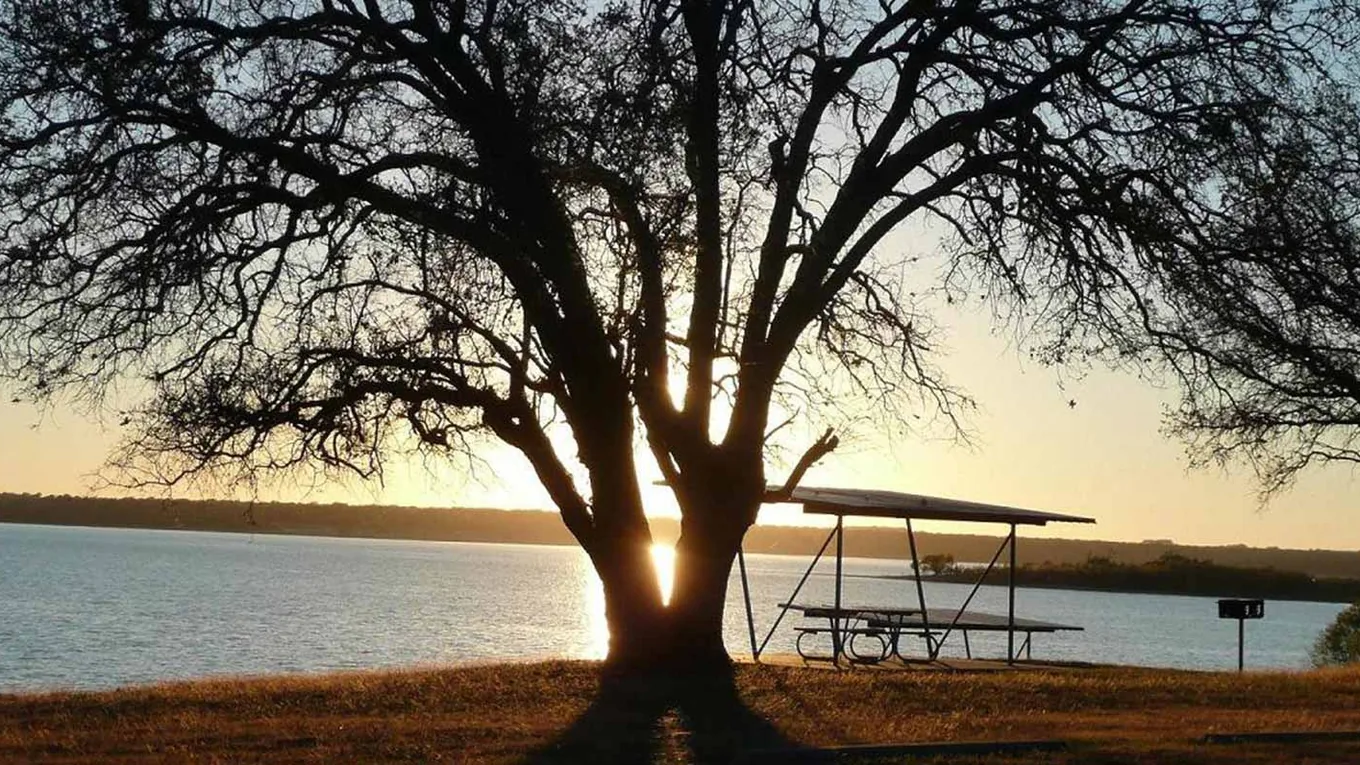
Much of the ground above Lake Whitney is thin soil over limestone. Ashe juniper, the tree locals call cedar, moves in fast there when fire stays away. The USDA's Natural Resources Conservation Service says it shows up first under fences and trees, where songbirds rest. Land clearing in Whitney often starts with that cedar, before it closes in a lake lot or a pasture.
Clear Choice clears land with a skid steer that carries a forestry mulching head. Whitney is part of our service area, about 14 miles west of Hillsboro on TX-22. Our land clearing around Hillsboro works the same here, and forestry mulching turns brush into mulch in place. Call or text (817) 937-1506, and we look at the job and put the quote in writing.
Tell us what needs clearing and where it is. We look at the job and put the quote in writing.
The ground changes as you head west from town toward the lake. There, the federal soil survey maps thin Aledo and Purves soils, with hard limestone about 12 to 18 inches down. Lake Whitney State Park sits about 3 miles from town on FM 1244. Texas Parks and Wildlife describes shallow soil there over hard limestone, with white rock where it has worn away.
In town and to the east, the same survey maps deep Wilson clay. It drains very slowly and can stay soaked near the surface for 10 to 30 days in winter and spring. The Whitney Dam weather station averages about 37.6 inches of rain a year, with May the wettest month. A heavy machine ruts soft clay, so work on the flats goes better in a dry spell.
Each kind of ground grows its own brush. Cedar takes the thin limestone soil, and mesquite comes up in clay pasture that is no longer farmed. North of town, sandy loam soils grow post oak and blackjack oak. Brush clearing cuts back the cedar and mesquite and leaves the big oaks standing.
The town is small, and the country around it holds far more people. The 2020 Census counted 1,992 people inside the town limits. It counted 10,562 in the 76692 ZIP area around Whitney. Most people with a Whitney address live out in the county.
Hundreds of homes in that ZIP area are weekend places. The 2020 Census counted 486 there held for seasonal or occasional use. Census surveys also count about 800 mobile homes, roughly 15 percent of the housing. More homes there date from the 1990s than any other decade, and about a quarter date from 2000 or later.
A lot that sits empty between visits grows up in brush and saplings. Lot clearing mulches that growth so a lake lot or a building lot is open again. On a building lot, the builder's dirt work comes next.
Whitney began in 1876 as Hill County's first railroad town, the city's history page says. About half the homes inside the town limits date from before 1980. An empty lot between older homes grows up in brush and small trees just the same.
In town, the City of Whitney runs a Permits and Building office. Its page says a building permit is required for any alteration or construction work. If a cleared lot is headed for a house, that office answers the permit questions.
Most of the Whitney ZIP area lies outside the town limits. Out there, Hill County Development Services in Hillsboro issues the development permit for a new house or mobile home. That form sets the new 911 address and checks the site against the county's flood plain order. Septic permits go through the same office.
The U.S. Army Corps of Engineers finished Whitney Dam on the Brazos River in 1951. TX-22 crosses the dam about 5.5 miles southwest of town, and the lake covers about 23,500 acres. The Corps owns the land around the lake out to a boundary line. Monuments topped with bronze caps mark its corners, and the line is typically fenced.
On the public side, an adjacent owner may apply for a Corps permit to mow or clear underbrush. The permit sets the method and the kinds of plants that may go. Without one, Corps rules bar removing vegetation there. The rules also keep vehicles off public land, except on paved roads and approved access points.
Some private land near the line carries a flowage easement, which gives the Corps the right to flood it. Those easements generally lie between the boundary line and the 573-foot contour. On easement land, the Corps says owners may mow and clear, if it fits the easement terms. Fence line clearing opens a strip on your side of the boundary fence.
Communities and areas we serve around Whitney: Lake Whitney State Park, Whitney Dam, Lofers Bend, McCown Valley, Laguna Park, Blum, TX-22, FM 933, FM 1244, FM 2604, FM 1713.
Whitney ZIP codes served: 76692.
Whitney is part of our service area. We look at the land first, then put the quote in writing.
(817) 937-1506 We grind brush and small trees into mulch where they stand. A skid steer with a forestry mulching head does the work, and the mulch stays on the ground.
Learn More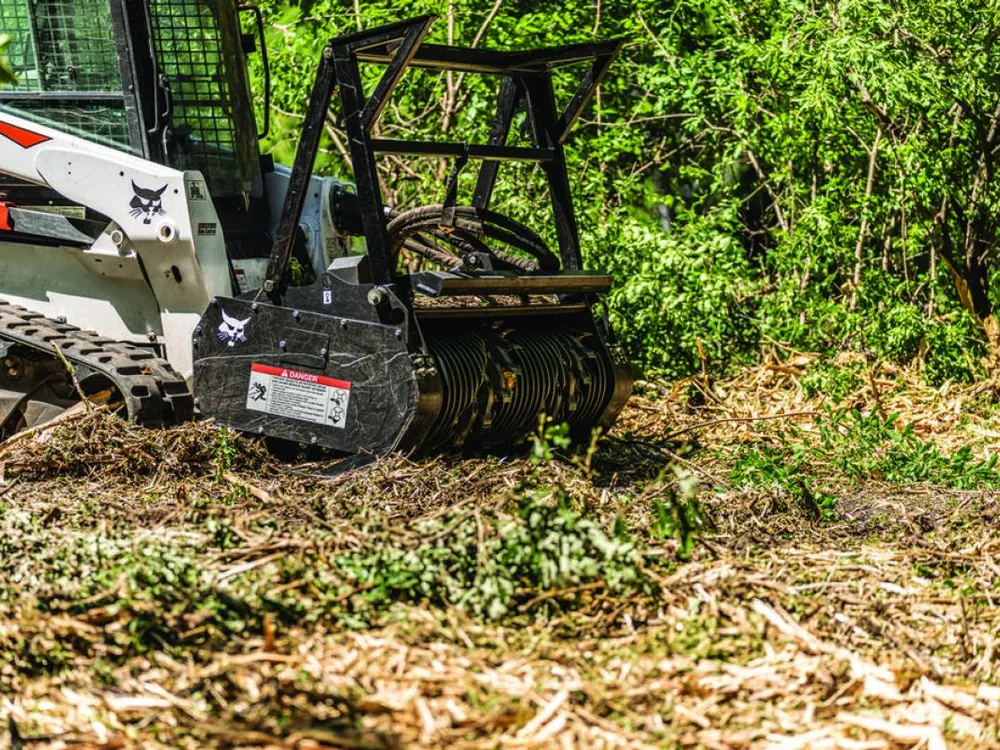
We clear cedar, mesquite, vines and saplings off pasture, acreage, creek edges and home sites. The mulcher grinds the brush in place, and the mulch stays on the ground.
Learn More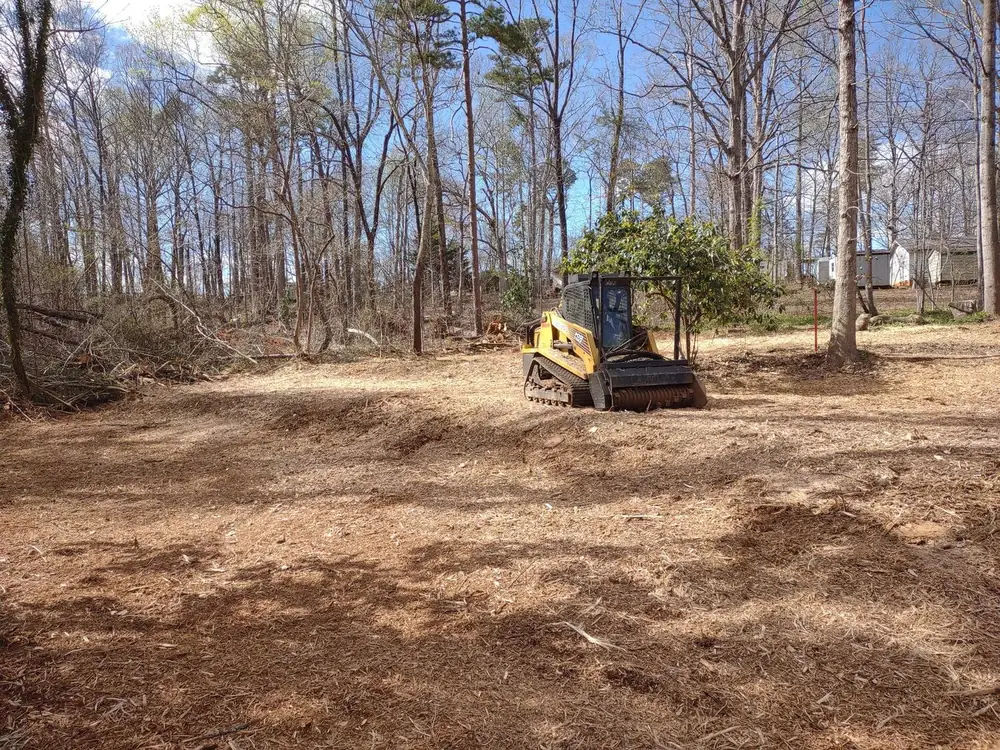
We clear building lots and overgrown lots of brush and small trees. A skid steer with a forestry mulching head turns the growth into mulch that stays on the ground.
Learn More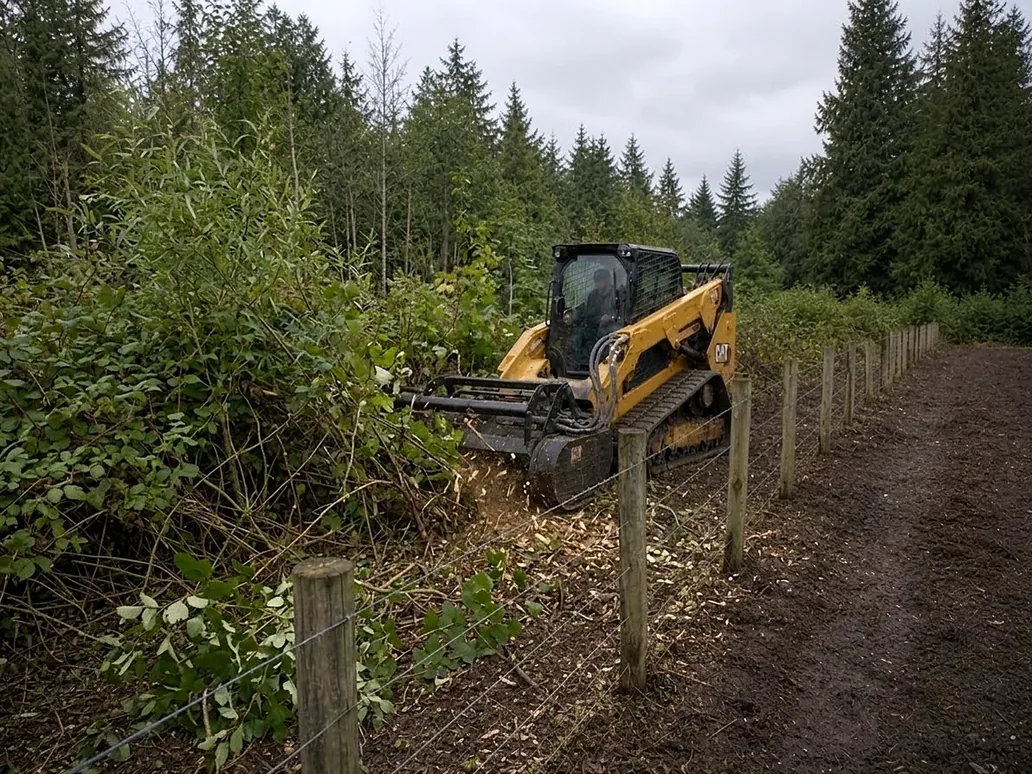
We mulch the cedar and brush that grow up along fence lines and property lines. You get an open strip along the wire, ready for repairs or a new fence.
Learn More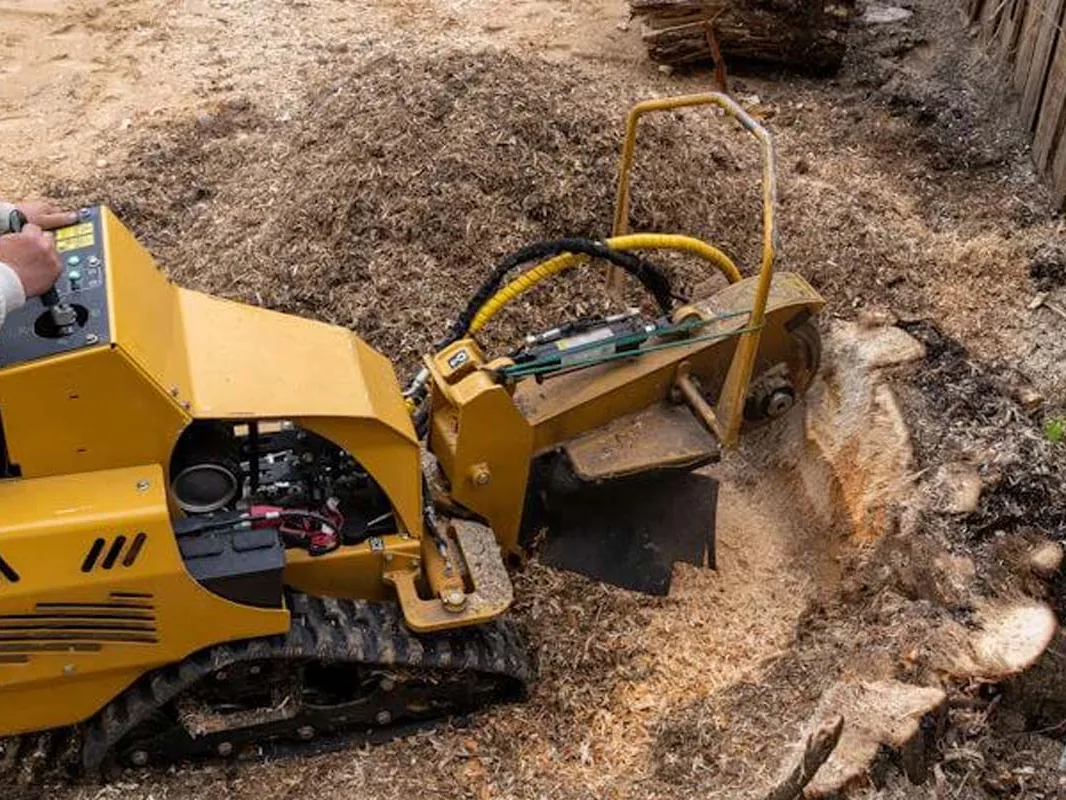
We grind stumps to grade or just below it, so you can mow over the spot or build on it. The grindings stay on site for you to use.
Learn MoreA few of the questions we hear most around Whitney. If yours is not here, call or text and ask.
Tell us the town and what has grown up on the land, and we will look at the job. You can also call or text (817) 937-1506.
Tell us what needs clearing and where it is. We look at the job and put the quote in writing.